
Exploring the intriguing topic of Discovery Car Price by Region: A Look at Germany vs Netherlands, this introduction sets the stage for an insightful comparison between these two automotive markets.
Providing a detailed overview of the differences in car prices and market dynamics between Germany and the Netherlands.
Introduction
Car prices can vary significantly depending on the region, with factors like taxes, import duties, and market demand playing a role in determining the cost. In this comparison, we will take a closer look at the differences in car prices between Germany and Netherlands, two countries known for their automotive industries.
By understanding the pricing variations between these regions, consumers can make informed decisions when purchasing a car.
Differences in Automotive Markets
Germany is home to renowned car manufacturers like BMW, Mercedes-Benz, and Volkswagen, known for their high-quality engineering and performance. The German automotive market is highly competitive, with a strong emphasis on luxury vehicles and innovative technology. On the other hand, Netherlands has a smaller automotive industry, with a focus on more environmentally friendly vehicles and electric cars.
This difference in market focus can impact the pricing and availability of cars in each country.
Factors Influencing Car Prices
In the automotive industry, car prices can vary significantly based on a variety of factors. Let's explore the key elements that influence car prices in both Germany and the Netherlands.
Factors Influencing Car Prices in Germany
- Economic Conditions: The overall economic situation in Germany, including factors like inflation rates, interest rates, and GDP growth, can impact car prices.
- Taxes and Duties: Germany has a complex tax system for vehicles, including VAT and vehicle registration taxes, which can affect the final price of cars.
- Brand and Model Reputation: The reputation of car brands and specific models in Germany can influence their pricing, with luxury brands often commanding higher prices.
- Regulatory Environment: Stringent regulations on emissions and safety standards in Germany can lead to additional costs for car manufacturers, which may be reflected in the prices of vehicles.
Factors Influencing Car Prices in the Netherlands
- Taxation Policies: The Dutch government imposes high taxes on cars, including BPM (car and motorcycle tax) and VAT, which significantly impact car prices in the Netherlands.
- Environmental Regulations: The Netherlands has strict environmental regulations, with incentives for electric and hybrid vehicles, which can influence the pricing of different car types.
- Market Demand: The demand for specific car models and types in the Dutch market can also affect their prices, with popular models often commanding higher prices.
- Import Costs: Importing cars into the Netherlands can incur additional costs, such as customs duties and transportation fees, which can influence the final pricing of vehicles.
Comparison of Factors Affecting Car Prices in Germany and the Netherlands
Germany and the Netherlands share some common factors that influence car prices, such as taxes and regulations. However, the specific tax policies, market demand, and environmental regulations in each country play a significant role in determining car prices. While Germany focuses on brand reputation and economic conditions, the Netherlands prioritizes environmental incentives and taxation policies to shape its car market.
Pricing Trends and Analysis
In this section, we will delve into the historical trends of car prices in Germany and the Netherlands over the past decade.
Germany
Germany has seen a gradual increase in car prices over the past decade. Factors such as inflation, changes in demand for specific vehicle types, and advancements in technology have influenced the pricing trends. Luxury car brands have maintained a strong presence in the German market, leading to higher price points compared to economy or mid-range vehicles.
Additionally, the introduction of electric vehicles has also impacted pricing, with a shift towards more environmentally friendly options.
Netherlands
In contrast to Germany, the Netherlands has experienced fluctuations in car prices over the past decade. Government policies promoting the use of electric vehicles have led to price changes in this segment. Additionally, the availability of tax incentives and subsidies for eco-friendly cars has influenced pricing trends.
The Netherlands has also seen a rise in demand for compact cars and electric vehicles, which has impacted pricing dynamics in the market.Overall, both countries have witnessed shifts in car prices due to various economic, technological, and environmental factors. It is essential to consider these trends when analyzing the pricing dynamics in the automotive industry.
Popular Car Models and Prices
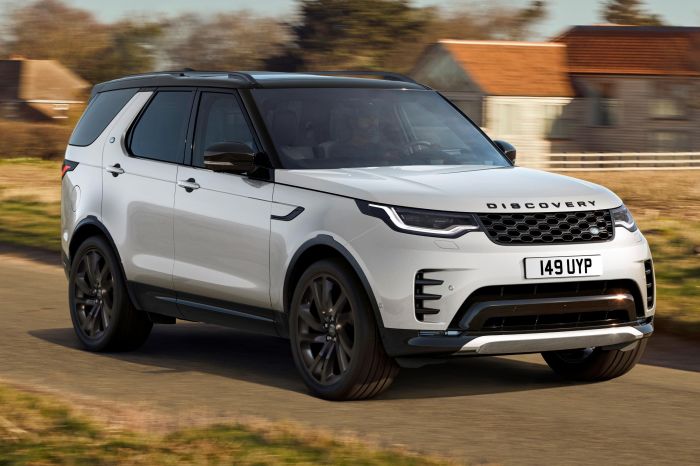
In this section, we will explore the most popular car models in Germany and the Netherlands, along with their average prices. We will also compare the pricing of the same car models in both countries.
Most Popular Car Models in Germany and Their Average Prices
In Germany, some of the most popular car models include the Volkswagen Golf, Mercedes-Benz C-Class, and Audi A4. The average price for these models ranges from €25,000 to €40,000, depending on the specific trim level and features.
Most Popular Car Models in the Netherlands and Their Average Prices
In the Netherlands, popular car models like the Volkswagen Polo, Renault Clio, and Peugeot 208 are commonly seen on the roads. The average prices for these models are slightly higher compared to Germany, ranging from €20,000 to €35,000.
Comparison of Pricing for the Same Car Models in Both Countries
When comparing the pricing of the same car models between Germany and the Netherlands, we can see that there is a slight difference in the average prices. This could be due to various factors such as taxation, import duties, and demand in each country.
Taxation and Government Policies
In both Germany and the Netherlands, taxation policies play a significant role in influencing car prices. Let's delve into how these policies impact the automotive market in each country.
Taxation Policies in Germany
In Germany, car prices are heavily influenced by taxation policies, particularly the vehicle tax based on CO2 emissions. The higher the emissions, the higher the tax levied on the vehicle. Additionally, there is a value-added tax (VAT) of 19% applied to the purchase price of a car, further impacting the overall cost.
These taxes contribute to higher car prices in Germany compared to other countries.
Taxation Policies in the Netherlands
Similarly, the Netherlands also applies taxation policies that affect car prices. One notable tax is the BPM (passenger car and motorcycle tax), which is based on CO2 emissions and the catalog price of the vehicle. The higher the emissions and catalog price, the higher the BPM tax, resulting in increased car prices.
Moreover, the Netherlands applies a high VAT rate of 21% on new cars, adding to the overall cost for consumers.
Government Policy Differences
While both countries have taxation policies that impact car prices, there are notable differences in government policies. For instance, Germany offers incentives for electric vehicles, such as tax breaks and purchase premiums, to promote environmentally friendly cars. On the other hand, the Netherlands has a subsidy scheme for electric cars, providing financial support to buyers.
These differing policies not only influence car prices but also shape consumer behavior towards more sustainable options in the automotive market.
Consumer Preferences and Market Demand
When it comes to consumer preferences and market demand for cars, understanding the unique trends in Germany and the Netherlands can provide valuable insights into the automotive industry in these countries.
Consumer Preferences in Germany
In Germany, consumers tend to prioritize quality, performance, and technology when purchasing cars. German car manufacturers such as BMW, Mercedes-Benz, and Audi are highly regarded for their engineering excellence and innovative features. Consumers in Germany also value sustainability and fuel efficiency, with a growing interest in electric and hybrid vehicles.
Consumer Preferences in the Netherlands
On the other hand, consumers in the Netherlands are known for their environmentally conscious choices when it comes to car purchases. Electric vehicles are gaining popularity due to government incentives and a strong focus on reducing carbon emissions. Dutch consumers also prioritize practicality, affordability, and compact size in their car choices.
Market Demand Comparison
When comparing the market demand for different types of cars in both countries, it is evident that there are distinct preferences based on cultural, economic, and environmental factors. While luxury vehicles from German brands are sought after in Germany, the Netherlands sees a higher demand for electric and compact cars.
Understanding these differences is crucial for automakers and policymakers to tailor their strategies to meet the specific needs of each market.
Outcome Summary
In conclusion, this discussion sheds light on the unique factors influencing car prices in Germany and the Netherlands, offering a comprehensive look at how these regions differ in their automotive landscapes.
Essential Questionnaire
What factors influence car prices in Germany and the Netherlands?
Various factors such as taxation policies, market demand, and consumer preferences play a significant role in determining car prices in both countries.
How do government policies impact car prices in Germany and the Netherlands?
Government policies, especially related to taxation, have a direct impact on car prices by influencing import duties, vehicle registration fees, and other related costs.
What are the historical trends of car prices in Germany and the Netherlands over the past decade?
Analyzing the pricing trends over the years reveals fluctuations influenced by economic conditions, market demands, and regulatory changes.